
Lifts
Original price
$0.00
-
Original price
$0.00
Original price
$0.00
$789.65
$789.65
-
$789.65
Current price
$789.65
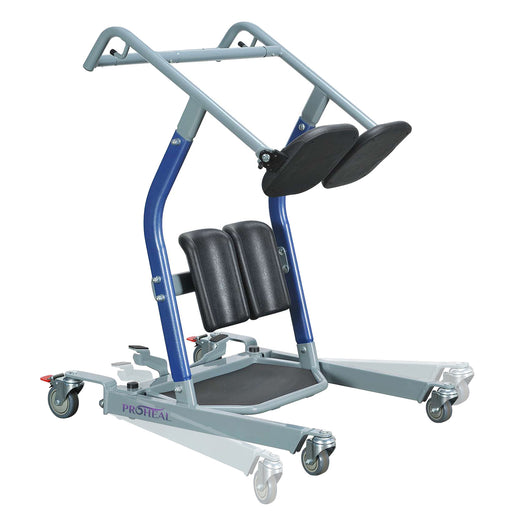
Stand Assist Lift Sit To Stand Transfer - Adjustable Base
50+ in stock
The ProHeal Stand Assist Patient Lift is your best choice for fall prevention, reducing caregiver lifting injuries and promoting patient mobility. ...
View full details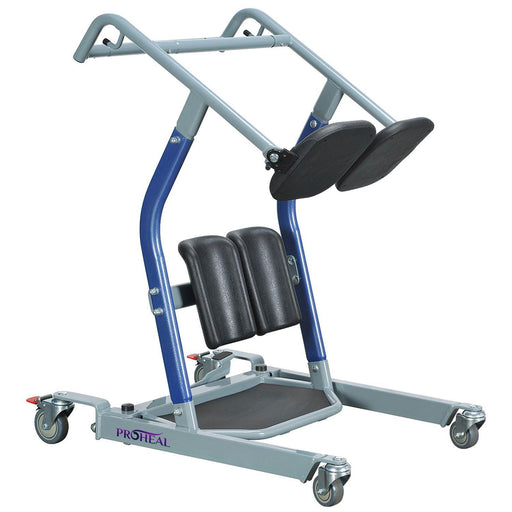
Original price
$0.00
-
Original price
$0.00
Original price
$0.00
$699.99
$699.99
-
$699.99
Current price
$699.99
Stand Assist Lift - Fixed Base
Out of stock
The ProHeal Stand Assist Patient Lift is your best choice for fall prevention, reducing caregiver lifting injuries, and promoting patient mobility...
View full details
Original price
$0.00
-
Original price
$0.00
Original price
$0.00
$2,198.98
-
$2,398.98
$2,198.98
-
$2,398.98
Current price
$2,198.98
Sit to Stand Electric Patient Lift
50+ in stock
The Sit-to-Stand Electric Patient Lift is a durable and reliable medical device designed to assist patients in standing up from a seated position....
View full details
Original price
$0.00
-
Original price
$0.00
Original price
$0.00
$1,398.98
$1,398.98
-
$1,398.98
Current price
$1,398.98
Full Body Patient Lift Patient Lift 400 Pound Capacity
50+ in stock
The Full Body Patient Lift is designed to assist in the safe transfer of patients from one location to another. The ideal solution for home care. ...
View full details
Original price
$0.00
-
Original price
$0.00
Original price
$0.00
$1,398.98
-
$1,999.98
$1,398.98
-
$1,999.98
Current price
$1,398.98
Bariatric Full Body Patient Lift
50+ in stock
The Bariatric Full Body Patient Lift is designed to assist in the safe transfer of patients from one location to another. The ideal solution for h...
View full details
Original price
$0.00
-
Original price
$0.00
Original price
$0.00
$1,799.99
$1,799.99
-
$1,799.99
Current price
$1,799.99
Hydraulic Patient Lift with Electric Upgrade - 400 lb Weight Capacity
50+ in stock
Introducing the ProHeal Hydraulic Lift with Electric Upgrade, the ultimate solution for seamless and safe patient transfers. This innovative lift c...
View full details
Original price
$0.00
-
Original price
$0.00
Original price
$0.00
$999.99
$999.99
-
$999.99
Current price
$999.99
Hydraulic Patient Lift for Home Use - 400 lb Weight Capacity
50+ in stock
Introducing the ProHeal Hydraulic Lift, a versatile and essential tool designed to ensure safe and comfortable patient transfers for the elderly, h...
View full details
Original price
$0.00
-
Original price
$0.00
Original price
$0.00
$1,998.98
$1,998.98
-
$1,998.98
Current price
$1,998.98
All-In-One Portable Patient Lift
50+ in stock
The high-performance ProHeal All-In-One Portable Electric Patient Lift is the perfect solution for safe and easy patient transfers. This electric-p...
View full details
Original price
$0.00
-
Original price
$0.00
Original price
$0.00
$669.98
$669.98
-
$669.98
Current price
$669.98
Onyx Hydraulic Patient Lift
50+ in stock
The Onyx Hydraulic Patient Lift is a reliable and durable lifting solution designed to help caregivers safely and easily move patients from one loc...
View full details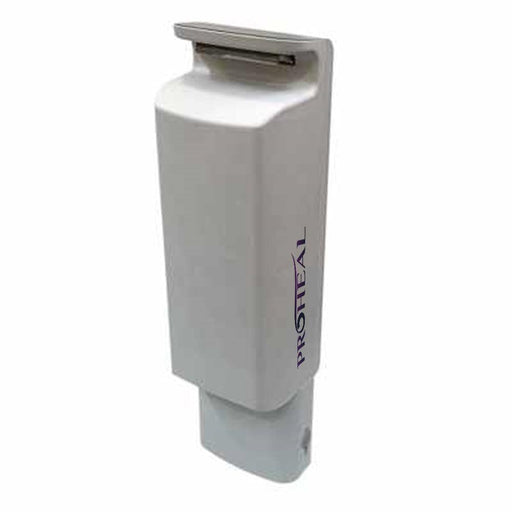
Original price
$0.00
-
Original price
$0.00
Original price
$0.00
$168.75
$168.75
-
$168.75
Current price
$168.75
Replacement Battery for Electric Patient Lift
50+ in stock
The Replacement Battery for Electric Patient Lift - the perfect solution for uninterrupted lift operation. With this battery, you no longer have to...
View full details
Original price
$0.00
-
Original price
$0.00
Original price
$0.00
$599.98
$599.98
-
$599.98
Current price
$599.98
Digital Lift Scale for Patient Lifts
50+ in stock
Introducing ProHeal’s lift digital scale, the ultimate solution for accurate and efficient patient lifting. Designed specifically for patient lifts...
View full details
Original price
$0.00
-
Original price
$0.00
Original price
$0.00
$53.00
$53.00
-
$53.00
Current price
$53.00
Replacement Caster for Stand Assist Lift
50+ in stock
Back caster replacement for the Stand Assist Lift Sold as 1 caster

Original price
$0.00
-
Original price
$0.00
Original price
$0.00
$43.86
$43.86
-
$43.86
Current price
$43.86
Replacement Front Caster for Stand Assist Lift
50+ in stock
Front caster replacement for the Stand Assist Lift 1 caster

Original price
$0.00
-
Original price
$0.00
Original price
$0.00
$844.63
$844.63
-
$844.63
Current price
$844.63
Stand Assist Lift Sit To Stand Transfer - Support Strap
50+ in stock
The ProHeal Stand Assist Patient Lift is your best choice for fall prevention, reducing caregiver lifting injuries and promoting patient mobility. ...
View full detailsPatient Lifts: Enhancing Mobility and Safety for Individuals in Need
When it comes to caring for individuals with limited mobility, patient lifts play a crucial role in ensuring their well-being, comfort, and safety. These innovative devices provide a reliable and efficient solution for transferring patients from one place to another, minimizing the risk of injury for both the patients and the caregivers. Whether you're a healthcare professional or a caregiver seeking the best options for your loved ones, this comprehensive guide will equip you with the necessary knowledge to make informed decisions. Let's dive in!
Understanding Patient Lifts
Patient lifts are mechanical devices designed to assist individuals with limited mobility in transferring from one location to another. They are commonly used in hospitals, nursing homes, rehabilitation centers, and even private residences. Patient lifts provide a safe and efficient alternative to manual lifting, reducing the physical strain on caregivers and minimizing the risk of accidents or injuries.
Benefits of Patient Lifts
Patient lifts offer numerous benefits for both patients and caregivers. Let's explore some of the key advantages:
-
Enhanced Safety: Patient lifts are equipped with various safety features such as adjustable straps, locking mechanisms, and stable bases, ensuring a secure transfer for patients. This significantly reduces the risk of falls, strains, or other injuries.
-
Improved Mobility: By utilizing patient lifts, individuals with limited mobility gain increased independence and freedom of movement. Patient lifts can transfer patients from beds to wheelchairs, toilets, and even vehicles, allowing them to participate in daily activities with greater ease.
-
Reduced Physical Strain: Caregivers often face physical challenges when manually lifting or transferring patients. Patient lifts alleviate this strain by using motorized or hydraulic systems, minimizing the risk of caregiver injuries, such as back strains.
-
Comfort and Dignity: Patient lifts are designed with ergonomic considerations to ensure the comfort and dignity of the individual being lifted. They provide a stable and secure platform, making the transfer process smoother and more comfortable for the patient.
Types of Patient Lifts
Patient lifts come in various types, each with its own unique features and benefits. Here are the most common types:
Hydraulic Patient Lifts
Hydraulic patient lifts operate using hydraulic fluid and a pump mechanism. They are manually controlled, making them a reliable choice even during power outages. Hydraulic lifts are known for their durability, ease of maintenance, and cost-effectiveness. However, they require physical effort from caregivers to operate, which might be a consideration for those with limited strength.
Electric Patient Lifts
Electric patient lifts are powered by rechargeable batteries, offering a convenient and efficient lifting solution. They typically come with easy-to-use controls, allowing caregivers to operate them with minimal effort. Electric lifts are suitable for individuals who require frequent transfers and for caregivers who seek a more effortless lifting experience.
Stand-Assist Patient Lifts
Stand-assist patient lifts are designed for individuals who have some weight-bearing capacity and the ability to actively participate in the transfer process. These lifts provide support for individuals to stand up from a sitting position, helping them regain independence and confidence. Stand-assist lifts are commonly used in rehabilitation centers or for patients who are on their way to recovery.
Sit-to-Stand Patient Lifts
Similar to stand-assist lifts, sit-to-stand patient lifts are designed for individuals with some weight-bearing capacity. However, these lifts assist in transferring patients from a seated position to a standing position. Sit-to-stand lifts are ideal for individuals who have difficulty standing up independently but can actively participate in the transfer process.
Factors to Consider When Choosing a Patient Lift
Selecting the right patient lift requires careful consideration of several factors. Here are the key aspects to keep in mind:
Weight Capacity
It is crucial to ensure that the patient lift you choose can handle the weight of the individual who will be using it. Consider the maximum weight capacity of the lift and the weight of the heaviest patient it will support. Choosing a lift with an appropriate weight capacity is essential for both the safety of the patient and the longevity of the lift.
Portability and Maneuverability
If you plan to use the patient lift in multiple locations or need to navigate through narrow spaces, portability and maneuverability are vital. Consider the size, weight, and maneuvering capabilities of the lift to ensure it can easily fit through doorways and maneuver in tight spaces.
Safety Features
Safety should be a top priority when selecting a patient lift. Look for features such as adjustable straps, locking mechanisms, emergency stop buttons, and stability-enhancing measures. These features ensure the safety and well-being of the patient during transfers.
Ease of Use and Maintenance
Choose a patient lift that is user-friendly and easy to operate. Clear instructions and intuitive controls will help caregivers feel confident and comfortable while using the lift. Additionally, consider the maintenance requirements of the lift, including battery life, servicing, and availability of spare parts.
Proper Use and Safety Guidelines
To ensure the safe and effective use of patient lifts, it is crucial to follow proper guidelines and procedures. Here are some important considerations:
-
Training: Caregivers should receive thorough training on how to operate the specific patient lift model being used. This includes understanding the controls, adjusting straps, and ensuring proper positioning of the patient.
-
Patient Assessment: Before using a patient lift, assess the individual's condition and consult with healthcare professionals to determine the most suitable transfer method. Consider factors such as weight, mobility level, and any existing medical conditions.
-
Regular Maintenance: Follow the manufacturer's guidelines for routine maintenance and inspections. Regularly check the lift for any signs of wear, malfunction, or damage. Promptly address any issues to ensure the lift remains safe and reliable.
Conclusion
Patient lifts are invaluable tools for enhancing mobility and safety for individuals with limited mobility. They offer numerous benefits, including increased safety, improved mobility, reduced physical strain, and enhanced comfort and dignity. By understanding the different types of patient lifts and considering important factors when choosing one, caregivers and healthcare professionals can provide optimal care while minimizing the risk of injuries. Remember to follow proper guidelines, receive training, and prioritize safety at all times. With the right patient lift, individuals can regain independence and enjoy a better quality of life.
FAQs
- How do I determine the weight capacity needed for a patient lift? To determine the weight capacity required, consider the weight of the heaviest individual who will be using the lift. Choose a patient lift that can handle this weight comfortably, ensuring both safety and longevity.
- Can patient lifts be used at home? Yes, patient lifts can be used in home care settings. They provide a safe and efficient solution for transferring individuals with limited mobility, allowing them to maintain independence and ensuring the safety of both the patient and caregiver.
- Can one caregiver operate a patient lift? While some patient lifts can be operated by a single caregiver, it is recommended to have at least two caregivers present during transfers for added safety and support. Always follow the manufacturer's guidelines and consider the individual's needs when determining the number of caregivers required.
- How often should patient lifts be serviced? Patient lifts should be serviced according to the manufacturer's recommendations. Regular maintenance and inspections are essential to ensure the lift remains in optimal working condition and to address any potential issues promptly.
- How long do patient lifts last? Patient lifts can last for several years with proper maintenance and care.
- Do patient lifts come with a warranty? Yes, many patient lifts and slings come with a warranty. At ProHeal, we offer a free warranty on all our lifts and slings to provide our customers with added peace of mind. Contact us for more information about our warranty policy.
ProHeal's line of Hospital and Home Care Accessories is a premium array of medical products. Designed with durable and reliable materials, our products are preferred by nurses, doctors, pharmacists, and caregivers.
ProHeal is committed to providing premium and reliable products, with excellent customer service, to our clients for over 40 years. Rely on us for all your home care needs. Give us a call if you have any questions: 772-776-4325
100K+ Reviews
Verified customers
1M+ Customers
Worldwide
80% Loyalty
Repeat customers
Looking for Parts?
Find the exact parts you need or request custom parts from our team
Frequently Asked Questions
Find answers to common questions below
We offer a 30-day return policy on all unused items in their original packaging.
Standard shipping typically takes 5-7 business days. Express shipping options are available at checkout.
Once your order ships, you'll receive a tracking number via email that you can use to monitor your delivery.
We accept all major credit cards, PayPal, and other secure payment methods available at checkout.